Categories
Selling, Selling / Buying, Straight TalkPublished September 4, 2026
Why Overpricing Your Home for “Negotiation Room” Can REALLY Backfire

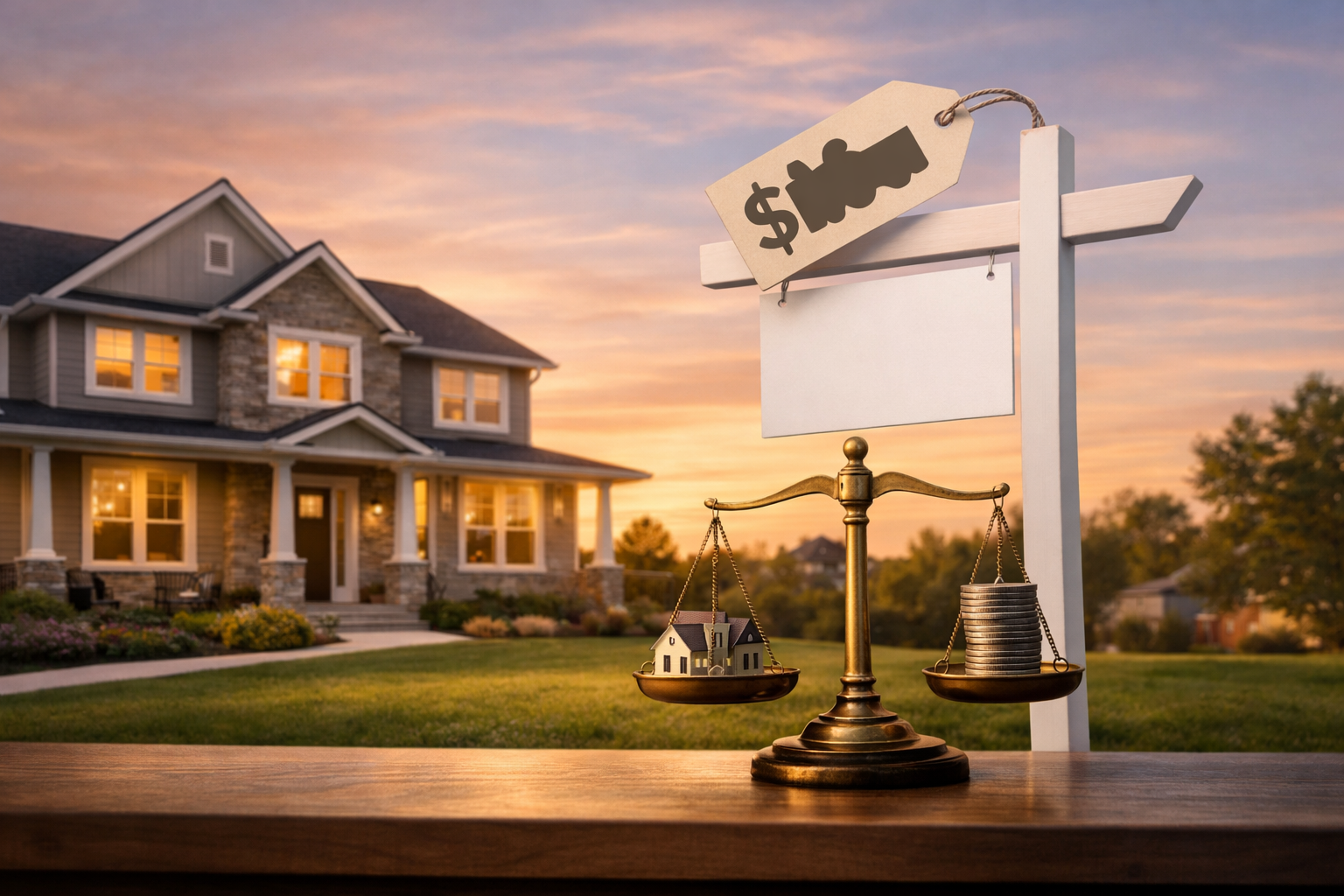
Look, I get the temptation. Padding your list price by 10% or 15% feels like a free safety net. You tell yourself, “We can always come down, but we can’t go back up.” It sounds like common sense at the kitchen table. But after watching seller after seller fall into this trap, I’m telling you point-blank: it almost always backfires.
Here is what actually happens when you shoot for the stars on Day One:
-
You instantly become invisible to the right people. Buyers set hard budget filters on real estate apps. If your place is genuinely worth $500k, but you list at $540k "just to see," the buyer who has $500k to spend today will never even see your photos.
-
You broadcast that you’re going to be a nightmare to work with. When an agent sees a home priced way out of line, we don't think "Opportunity!" We think, “That seller is delusional and this deal will fall apart at appraisal anyway.”
-
The clock is your enemy, not your friend. A listing’s first two weeks are pure gold. If you waste them sitting on a fantasy price, your listing goes stale. Once you hit 45 days, buyers assume something is fundamentally wrong with the house.
Pricing at fair market value doesn't mean giving the house away. You can still negotiate on closing dates, inspection repairs, or seller credits. But a realistic starting price creates urgency—and urgency is what actually gets you solid offers.
Questions & Answers
Q: Can’t we just try high for a few weeks and reduce the price later if we don't get offers?
A: You can, but by then the damage is done. You only get one shot at being the fresh listing everyone is excited about. By week four, a price cut doesn't make you look reasonable—it makes you look desperate. Buyers start throwing lowball offers because they smell blood in the water.
Q: What if another home nearby is listed much higher?
A: Your neighbor’s asking price isn't market value; it's just their wish list. I don't care what people are asking for down the street—I care about what buyers are actually closing on. Don't base your financial strategy on someone else's wishful thinking.
Q: Does pricing at market value mean we have to accept a low offer?
A: Not at all. Pricing right isn't about surrendering your leverage; it's about getting people through the door so you actually have leverage. You still hold the cards, and you can always say no to bad terms.
Q: Could a lower list price actually trigger a bidding war?
A: In the right market, absolutely. A compelling price brings a crowd. Once two or three buyers start fighting over a place, emotion takes over and they often push the price well past what you would have originally asked for anyway.
Frequently Asked Questions
-
What is the absolute biggest risk of overpricing?
You miss your prime window of buyer excitement, sit on the market until you look stale, and end up selling for less than you would have if you’d priced it right on Day One. -
How do buyers immediately know a home is overpriced?
They aren't looking at your house in a vacuum. They've been touring active listings for weeks and checking recent sold data. If your place lacks the updates or square footage of similar comps nearby, they spot it in five seconds. -
How much "negotiation cushion" should we build into the price?
Zero. Artificial markups don't work anymore. If you want room to negotiate, do it through terms, closing timelines, or repair credits—not a fake sticker price. -
When should we cut the price if the market isn't responding?
If you've had 10 to 15 showings over two weeks with zero offers, or barely any showings at all, the market has already given you its answer. Adjust quickly before you become old news. -
Can an overpriced home still sell eventually?
Sure, anything sells for the right price eventually. But overpricing almost guarantees a longer timeline, fewer showings, appraisal headaches, and ultimate price concessions. It’s taking the hardest possible route to get a deal done.
The Bottom Line
Leaving room to negotiate sounds like a smart shield, but an inflated list price actually strips away your power. It cuts your exposure, makes buyers suspicious, and backs you into a corner where you're forced to defend a number you can't back up.
A sharp, realistic pricing strategy isn't about giving in—it's about setting a trap. Price it right from the jump, get the crowd through the door while the listing is hot, and negotiate from a position of real strength instead of chasing the market down.

Jeff Chenore
Broker/Owner CMV Realty | Chenore Group | CMV Realty LLC
or another way