
Categories
Real Life Real Estate, Selling, Selling / Buying, What's Jeff's Take on this?Published June 4, 2026
The Smart Home Appraisal Trap: Protect Your Tech Upgrades From Tanking Your Sale

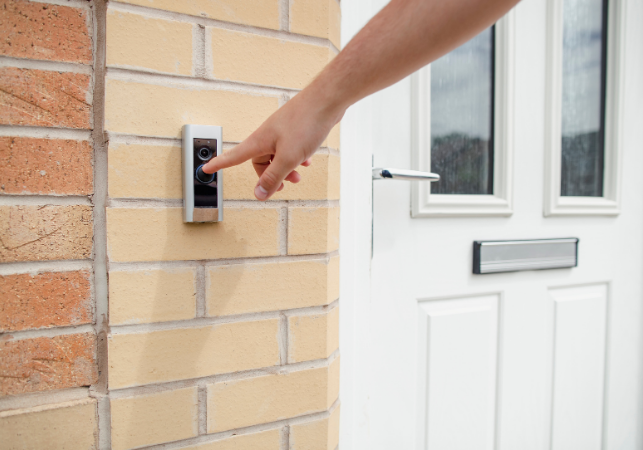
We love our gadgets. Whether it's a Ring doorbell on the front porch, an ecobee thermostat on the wall, or automated Lutron switches that adjust the lighting based on the time of day, smart technology has become a baseline expectation for modern living. This is true even in in Ocala. Plant City and Jacksonville, and across South Florida.
If you are planning to sell your home soon, you might be adding up the receipts for all those tech upgrades, assuming they will add thousands of dollars to your final sales price. But here is a dose of cold, hard Market Logic: Unless you handle your tech correctly, those smart features could completely stall your appraisal, or worse, tank your deal right at the closing table.
The Appraiser's Dilemma: Fixture vs. Personal Property
When a buyer takes out a mortgage to buy your home, the bank sends an appraiser to determine the property's true value. Under the massive UAD 3.6 standards reshaping real estate data reporting, appraisers are bound by incredibly strict definitions. They care exclusively about fixtures (things permanently attached to the real estate), not personal property (things you can pack up in a box).
Here is where smart home sellers get trapped:
The Problem: Most smart home tech is inherently modular. A smart doorbell can be unscrewed in two minutes. A smart plug or hub can be pulled out of the wall.
The Appraisal Reality: Because these items can be easily removed, appraisers almost always allocate zero dollars of value to them on the appraisal report. If you spent $3,000 on high-end smart accessories, the bank’s automated valuation models (AVM) view it the same way they view your living room couch—nice to look at, but worth nothing to the mortgage.
2026 Appraisal & Contract Q&A: Avoiding Closing Chaos
Q: If the appraiser gives the tech zero value, can I take it with me when I move?
A: Only if you explicitly state it in the contract. If a buyer walks through the final walkthrough and notices you replaced your high-end smart tech with standard $20 plastic alternatives, they can claim you breached the contract. We have seen entire deals stall over a $200 smart thermostat because emotions run high right before closing.
Q: Are there any smart upgrades that actually increase my home's bank appraisal?
A: Yes, but they must be structural or integrated into the infrastructure. Hardwired enterprise-grade Wi-Fi routers embedded in the ceilings, or an integrated smart electrical panel (like Span), add real value because they cannot be easily removed without damaging the home’s systems.
Q: How do alternative appraisal methods handle smart home technology?
A: In 2026, many loans qualify for hybrid or desktop appraisals, where a data collector or algorithm evaluates the home. These systems are highly standardized; they look at square footage, condition, and location comps. They completely ignore modular, unattached tech, making proper contract documentation even more critical.
So, what does one do?
- Document the Infrastructure: We make sure the appraiser receives a detailed upgrades sheet highlighting the hardwiring and structural tech, not just the removable gadgets.
- The "Exclude or Include" Rule: Decide before you list the home if you are taking the smart tech with you. If you are taking it, we advise replacing it with standard fixtures before the first photographer takes a picture.
- Spell It Out in Writing: If the tech is staying, it must be listed line-by-line in the contract inclusions so there is zero ambiguity for the buyer’s home inspector or the title company.
Jeff's Winning Perspective
Most people find that the tech they love doesn't automatically translate to bank value when it's time to sell. How would you feel if your transaction fell apart in the final hours over a few smart light switches and a camera? Just imagine the peace of mind that comes from having a clean, ironclad contract where every piece of technology is accounted for and legally protected.
The bottom line is: A smart home is only an asset if it’s properly categorized. Don't let a flashy gadget blind you to the legal definitions of personal property.
I’m not sure how connected your home is, but how open-minded would you be to a quick, 10-minute pre-listing walkthrough? Schedule Your Pre-Listing Consultation with The Chenore Group today, and let's ensure your upgrades are fully protected before you hit the market.

Jeff Chenore
Broker/Owner CMV Realty | Chenore Group | CMV Realty LLC
or another way